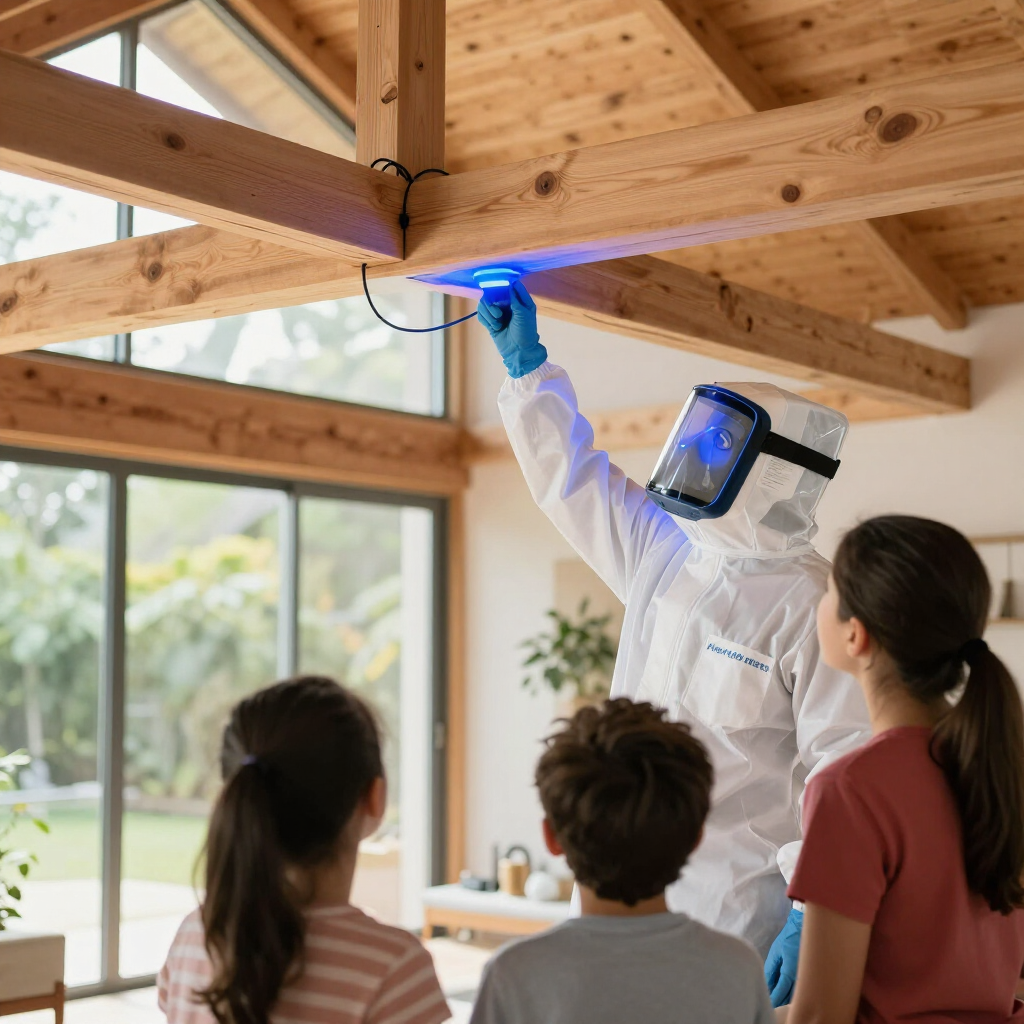
Wooden homes, timber-frame buildings, log cabins, and even modern properties with structural timber can all be vulnerable to wood-damaging pests. While many infestations begin quietly and remain hidden for months or even years, the damage they cause can become extensive if left untreated. By the time obvious signs appear, repairs may involve replacing structural timber, restoring furniture, or addressing moisture-related issues that could have been prevented.
Early pest detection is one of the most cost-effective ways to protect your home. Routine inspections and timely maintenance allow homeowners to identify problems before they spread, reducing repair costs and preserving the integrity of valuable wooden structures.
In this guide, you’ll learn why early pest detection matters, which warning signs to watch for, and how regular inspections can help save thousands in future repair expenses.
Why Pest Damage Often Goes Unnoticed
Many wood-damaging pests spend most of their life hidden inside timber, wall cavities, roof spaces, or beneath floors.
Examples include:
- Wood-boring beetle larvae
- Drywood termites
- Subterranean termites
- Carpenter ants
Because these pests remain concealed, damage can continue long before visible symptoms appear.
Common Wood Pests That Cause Costly Damage
Several pests are capable of damaging wooden structures.
The most common include:
- Wood-boring beetles (woodworm)
- Drywood termites
- Subterranean termites
- House Longhorn Beetles
- Deathwatch Beetles
- Carpenter ants
Each pest affects timber differently, making accurate identification important.
The Financial Impact of Delayed Detection
The longer an infestation remains untreated, the more extensive the damage may become.
Potential repair costs can include:
- Replacing structural beams
- Repairing roof timbers
- Replacing floor joists
- Restoring antique furniture
- Treating moisture damage
- Repairing decorative woodwork
Early intervention often limits the amount of timber that requires repair or replacement.
Early Warning Signs to Watch For
Routine inspections can reveal problems before major structural damage occurs.
Look for:
- Small exit holes
- Fine or coarse wood dust (frass)
- Hollow-sounding timber
- Mud tubes
- Pellet-shaped frass
- Surface cracks
- Soft wood
- Swarming insects
These warning signs should never be ignored.
Moisture Often Comes First
Moisture problems frequently contribute to timber deterioration.
Common causes include:
- Roof leaks
- Plumbing leaks
- Condensation
- Poor ventilation
- High indoor humidity
Although not every wood pest requires damp timber, controlling moisture helps reduce conditions that may encourage mold, fungal decay, and some wood-boring beetle species.
The Value of Routine Inspections
Regular inspections help detect problems while they are still manageable.
Inspect:
- Roof beams
- Floor joists
- Window frames
- Door frames
- Wooden furniture
- Basements
- Attics
- Decks
Pay attention to both visible damage and environmental conditions.
Protect Historic and Valuable Timber
Early detection is especially important for:
- Historic buildings
- Timber-frame homes
- Antique furniture
- Heritage structures
- Handcrafted woodwork
Original timber is often difficult or impossible to replace, making preservation a priority.
Improve Ventilation and Moisture Control
Maintaining a dry environment supports long-term timber health.
Helpful measures include:
- Improving ventilation.
- Repairing leaks promptly.
- Cleaning gutters regularly.
- Using dehumidifiers where necessary.
- Monitoring indoor humidity.
Preventive maintenance is usually far less expensive than structural repairs.
Modern Woodworm Treatment Options
If an active woodworm infestation is confirmed, treatment depends on:
- Beetle species
- Severity of infestation
- Structural condition
- Accessibility
Professional options include approved chemical treatments and modern heat-based technologies.
Microwave Woodworm Treatment
One increasingly popular chemical-free option is microwave woodworm treatment.
Professional microwave equipment uses dielectric heating to generate controlled heat inside timber.
The treatment is designed to eliminate:
- Woodworm larvae
- Beetle eggs
- Pupae
- Adult wood-boring beetles
Benefits
- Chemical-free
- No pesticide residues
- Localized treatment
- Environmentally responsible
- Suitable for many heritage buildings
- Helps preserve original structural timber
When active wood-boring beetle infestations are detected early, microwave treatment may provide an effective solution while minimizing disruption and preserving valuable wood.
Annual Home Inspection Checklist
At least once each year, inspect:
- Roof structures
- Attics
- Basements
- Crawl spaces
- Wooden furniture
- Window and door frames
- Decks
- Exterior timber
Look for:
- Exit holes
- Frass
- Mud tubes
- Moisture stains
- Soft wood
- Surface cracks
Routine inspections significantly improve the chances of early detection.
Early Detection vs. Delayed Action
| Early Detection | Delayed Detection |
|---|---|
| Smaller repair costs | Higher repair costs |
| Limited structural damage | Extensive timber replacement may be required |
| Easier pest management | More complex treatment plans |
| Better preservation of original timber | Greater loss of historic or valuable wood |
| Lower long-term maintenance expenses | Increased restoration costs |
Preventive inspections often provide substantial long-term savings.
Common Mistakes to Avoid
Avoid these common errors:
- Ignoring small exit holes.
- Delaying repairs after leaks.
- Assuming old damage is harmless.
- Skipping annual timber inspections.
- Waiting until structural damage becomes obvious.
Early action helps protect both your home and your budget.
Common Myths About Pest Damage
Myth 1: Small Signs Mean Small Problems
Fact: Even minor signs such as fresh frass or a few exit holes may indicate hidden activity inside timber.
Myth 2: Pest Damage Is Always Easy to See
Fact: Many wood-damaging pests feed inside timber, causing extensive internal damage before visible symptoms appear.
Myth 3: Repairs Are Cheaper Than Regular Inspections
Fact: Routine inspections and preventive maintenance generally cost far less than repairing or replacing damaged structural timber.
Conclusion
Early pest detection is one of the smartest investments homeowners can make. Identifying wood-damaging pests before they cause widespread structural damage helps reduce repair costs, preserve valuable timber, and simplify treatment. Regular inspections, prompt attention to moisture problems, and consistent maintenance all play a vital role in protecting wooden homes from expensive repairs.Visit https://www.shashel.eu online for more details.